How 3D Printing Machines Are Changing Manufacturing
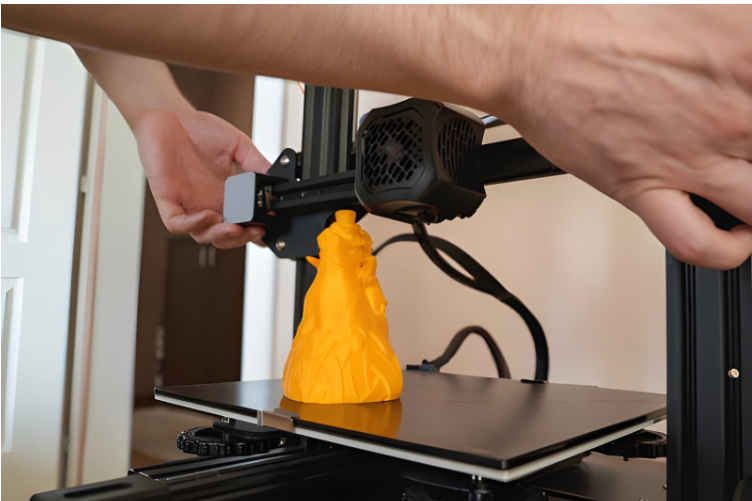
3D printing machines are transforming the way companies design, prototype, and produce goods. Also known as additive manufacturing, 3D printing builds objects layer by layer from digital files, using materials such as plastic, resin, metal, ceramics, and composites. Unlike traditional manufacturing methods that cut, drill, mold, or machine materials, 3D printing adds material only where it is needed.
This shift is changing manufacturing across industries, from automotive and aerospace to healthcare, consumer products, construction, and electronics. As 3D printing technology becomes faster, more accurate, and more affordable, manufacturers are using it to reduce costs, speed up development, and create parts that were once impossible to make.
What Are 3D Printing Machines?
3D printing machines are advanced manufacturing tools that create three-dimensional objects from computer-aided design files. A designer Ga6789 or engineer creates a digital model using CAD software, and the 3D printer reads that file to produce the object layer by layer.
There are several types of 3D printing technologies, including fused deposition modeling, stereolithography, selective laser sintering, and metal 3D printing. Each method uses different materials and processes, but the goal is the same: to turn a digital design into a physical product quickly and accurately.
In modern manufacturing, 3D printers can produce prototypes, tools, spare parts, molds, fixtures, and even final-use components.
Faster Product Development
One of the biggest ways 3D printing machines are changing manufacturing is by making product development much faster. In the past, creating a prototype could take weeks or even months. Companies often needed expensive molds, specialized tools, and multiple production steps before testing a new design.
With 3D printing, engineers can create a prototype in hours or days. If the design needs improvement, they can update the digital file and print a new version quickly. This process helps manufacturers test more ideas in less time.
Faster prototyping also reduces the risk of expensive mistakes. Companies can identify design flaws early, improve product performance, and bring better products to market sooner.
Lower Manufacturing Costs
3D printing can help manufacturers reduce costs in several ways. Traditional manufacturing often requires molds, tooling, and large production runs to be cost-effective. These upfront costs can be very high, especially for small businesses or companies producing low-volume parts.
3D printing machines reduce or eliminate the need for many traditional tools. Since parts are made directly from digital files, manufacturers can produce small batches without investing in expensive equipment. This makes low-volume production more affordable.
Additive manufacturing also reduces material waste. Traditional methods often remove material from a larger block, leaving scraps behind. 3D printing uses only the material required to build the part, which can lower material costs and support more sustainable production.
Customization and Personalized Products
Another major advantage of 3D printing in manufacturing is customization. Traditional manufacturing is usually designed for mass production, where thousands or millions of identical products are made. Customizing each item can be expensive and time-consuming.
3D printing machines make customization much easier because each product can be made from a unique digital file. Manufacturers can adjust size, shape, color, and features without changing the entire production process.
This is especially valuable in healthcare. For example, 3D printing is used to create custom prosthetics, dental aligners, implants, and surgical guides. In consumer goods, companies can offer personalized shoes, eyewear, jewelry, and accessories. The ability to create custom products gives businesses a competitive advantage and improves customer satisfaction.
Complex Designs and Lightweight Parts
3D printing allows manufacturers to create complex shapes that are difficult or impossible to produce with traditional methods. Since parts are built layer by layer, designers have more freedom to create internal channels, lattice structures, and lightweight geometries.
This is especially important in industries such as aerospace and automotive manufacturing. Lightweight parts can improve fuel efficiency, reduce emissions, and increase performance. At the same time, complex designs can improve strength and functionality.
For example, a 3D printed part may combine several separate components into a single piece. This reduces assembly time, lowers the number of parts needed, and can improve reliability.
On-Demand Manufacturing and Supply Chain Benefits
3D printing machines are also changing supply chains. Traditional manufacturing often depends on large inventories, overseas factories, long shipping times, and complex logistics. When supply chain disruptions occur, companies may struggle to get the parts they need.
With 3D printing, manufacturers can produce parts on demand and closer to where they are needed. Instead of storing large quantities of spare parts, companies can keep digital files and print parts when required. This reduces storage costs and helps businesses respond quickly to demand.
On-demand manufacturing is especially useful for replacement parts, maintenance, and repair operations. Industries such as aviation, defense, and industrial equipment can benefit from faster access to critical components.
Sustainability in Manufacturing
Sustainability is becoming a major priority for manufacturers, and 3D printing can support greener production methods. Because additive manufacturing uses material more efficiently, it can reduce waste compared to subtractive manufacturing.
3D printing can also reduce the need for transportation by enabling local production. When products or parts are printed near the point of use, companies can lower shipping emissions and reduce dependence on global supply chains.
In addition, many companies are exploring recycled and bio-based 3D printing materials. While 3D printing is not automatically sustainable in every situation, it offers important opportunities for cleaner and more efficient manufacturing.
Challenges of 3D Printing Machines
Although 3D printing machines offer many benefits, there are still challenges. Some 3D printers are slower than traditional mass-production systems, especially for large quantities. Material options may also be limited depending on the printer type and application.
Quality control is another important issue. Manufacturers must ensure that 3D printed parts meet strength, safety, and performance standards. This is especially critical in industries such as aerospace, medical devices, and automotive manufacturing.
The cost of industrial 3D printing machines can also be high. However, as technology improves and adoption increases, prices are expected to become more accessible.
The Future of 3D Printing in Manufacturing
The future of 3D printing in manufacturing looks promising. Advances in machine speed, material science, automation, and artificial intelligence are making 3D printing more powerful and practical. More companies are expected to integrate 3D printing machines into their production workflows.
Hybrid manufacturing, which combines 3D printing with traditional methods, is also becoming more common. This allows manufacturers to take advantage of the flexibility of additive manufacturing while maintaining the speed and scale of conventional production.
As 3D printing continues to evolve, it will likely play a larger role in smart factories, digital manufacturing, and Industry 4.0.
Conclusion
3D printing machines are changing manufacturing by making production faster, more flexible, and more cost-effective. They help companies develop products quickly, reduce waste, customize designs, simplify supply chains, and create complex parts with improved performance.
While challenges remain, the benefits of 3D printing technology Đá gà cựa sắt are clear. As machines become more advanced and materials continue to improve, additive manufacturing will become an essential part of modern production. For businesses looking to stay competitive, investing in 3D printing may be a key step toward the future of manufacturing.