Understanding Different Learning Styles
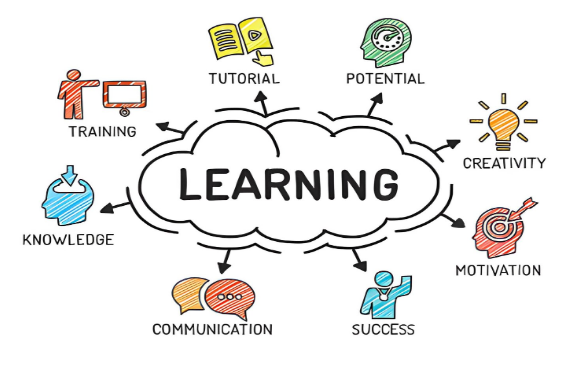
Learning is not one-size-fits-all. Every student, professional, or lifelong learner processes information in a slightly different way. Some X88 people remember best when they see diagrams, while others learn more effectively by listening, reading, writing, or doing hands-on activities. Understanding different learning styles can help learners choose better study strategies and help teachers create more engaging lessons.
Although researchers continue to debate whether people learn best only through one specific style, learning preferences still matter. When you know how you naturally engage with information, you can build stronger habits, improve focus, and make learning more enjoyable.
What Are Learning Styles?
Learning styles refer to the different ways people prefer to receive, understand, and remember information. The most common model is the VARK model, which includes four main learning styles: visual, auditory, reading/writing, and kinesthetic.
These styles are not strict categories. Many people use a combination of several learning methods depending on the subject, environment, or goal. For example, someone may prefer visual learning when studying geography but benefit from hands-on practice when learning a new skill like cooking or coding.
Understanding learning styles is useful because it encourages flexibility. Instead of relying on one study method, learners can experiment with different techniques to find what works best.
Visual Learners
Visual learners understand information best when it is presented through images, charts, diagrams, maps, and videos. They often remember what they see more easily than what they hear. Color coding, mind maps, and infographics can be especially helpful for this type of learner.
For example, a visual learner studying history might benefit from a timeline that shows major events in order. A student learning science may prefer labeled diagrams to explain body systems, chemical reactions, or ecosystems.
Study Tips for Visual Learners
Visual learners can improve their study sessions by using highlighters, drawing charts, watching educational videos, and creating flashcards with images. They may also benefit from organizing notes with headings, bullet points, and color-coded sections. Keeping a clean and visually organized workspace can also support better concentration.
Auditory Learners
Auditory learners prefer to learn through listening and speaking. They may remember information more effectively when it is explained out loud. Lectures, podcasts, discussions, and audio recordings are useful tools for auditory learners.
These learners often benefit from talking through ideas with classmates, teachers, or colleagues. They may enjoy group discussions and may find it helpful to explain concepts to someone else. Hearing themselves say information aloud can strengthen memory and understanding.
Study Tips for Auditory Learners
Auditory learners can record lessons, listen to audiobooks, join study groups, or read notes aloud. They may also use rhymes, songs, or verbal repetition to remember important details. If studying alone, explaining a topic as if teaching another person can be an effective strategy.
Reading and Writing Learners
Reading and writing learners prefer information presented in words. They often enjoy textbooks, articles, lists, essays, and written instructions. This learning style is common in traditional education settings because many school activities involve reading and written assignments.
People with this preference usually learn well by taking detailed notes, rewriting information in their own words, and making lists. They may also prefer written feedback rather than verbal explanations.
Study Tips for Reading and Writing Learners
Reading and writing learners should use textbooks, summaries, handouts, and online articles to support learning. Rewriting notes, creating outlines, and answering practice questions can help them retain information. Keeping a study journal is another useful method for reviewing ideas and tracking progress.
Kinesthetic Learners
Kinesthetic learners learn best through movement, touch, and hands-on experience. They often prefer doing an activity rather than only reading about it or listening to instructions. This style is common in subjects that involve practice, such as sports, art, science experiments, technology, and vocational training.
A kinesthetic learner may struggle to sit still for long periods. They may understand a concept better after building a model, performing a task, role-playing a situation, or using physical objects.
Study Tips for Kinesthetic Learners
Kinesthetic learners can benefit from experiments, practice exercises, simulations, and real-world examples. Taking short breaks, walking while reviewing notes, or using gestures to remember ideas may also help. When possible, they should connect lessons to practical activities.
Why Learning Styles Matter
Understanding different learning styles can improve communication between teachers and students, managers and employees, or parents and children. When educators use a variety of teaching methods, they make lessons more accessible and interesting for everyone.
For example, a teacher might explain a concept verbally, show a diagram, provide written notes, and include a hands-on activity. This approach supports different learning preferences while reinforcing the same information in multiple ways.
In the workplace, understanding learning styles can improve training programs. Some employees may prefer written manuals, while others need demonstrations or guided practice. Offering multiple formats can lead to better performance and confidence.
The Importance of Combining Learning Methods
While learning styles are helpful, it is important not to limit yourself to just one method. Research suggests that people often learn best when they use multiple approaches. This is called multimodal learning.
For instance, if you are learning a new language, you might read vocabulary lists, listen to native speakers, write sentences, and practice conversations. Combining visual, auditory, reading/writing, and kinesthetic techniques creates stronger connections in the brain.
The best learners are flexible. They adjust their strategies based on the topic and the situation. Instead of asking, “What is my learning style?” it may be better to ask, “What method will help me understand this specific information?”
In this article, we will explore time management strategies that work in real life and help you make the most of every day.
Why Time Management Matters
Good time management is not just about getting more tasks done. It is about using your time intentionally so you can focus on what truly matters. When you manage your time well, you gain greater control over your schedule and reduce the pressure of last-minute deadlines.
Effective time management can improve productivity, support better decision-making, and create a healthier work-life balance. It also helps you avoid burnout by making space for rest, hobbies, and personal relationships. Instead of feeling busy all the time, you can become more purposeful and efficient.
Set Clear Goals
One of the most important time management strategies is setting clear goals. Without specific goals, it is easy to spend time on tasks that do not move you forward. Clear goals give your day direction and help you decide what deserves your attention.
Start by identifying your long-term goals, then break them into smaller weekly or daily objectives. For example, instead of saying, “I want to be more productive,” set a specific goal like, “I will complete three important reports by Friday.” Clear goals are easier to track and more motivating to achieve.
Using the SMART goal method can also help. Make sure your goals are Specific, Measurable, Achievable, Relevant, and Time-bound.
Prioritize Your Tasks
Not all tasks are equally important. Some activities bring major results, while others simply keep you busy. Learning how to prioritize is essential for effective time management.
A helpful method is the Eisenhower Matrix, which divides tasks into four categories:
t and important
– Important but not urgent
– Urgent but not important
– Not urgent and not important
Focus first on tasks that are both urgent and important. Then schedule time for important but non-urgent work, such as planning, learning, or relationship-building. These tasks often create long-term success but are easy to ignore if you are always reacting to urgent demands.
Use a Daily Plan
A daily plan helps you start each day with purpose. Instead of jumping from one task to another, you know exactly what needs to be done. Planning your day can take as little as 10 minutes, but it can save hours of wasted time.
At the beginning or end of each day, write down your top priorities. Choose three main tasks that must be completed. This keeps your schedule realistic and prevents you from overloading yourself.
You can use a paper planner, digital calendar, task management app, or simple to-do list. The best tool is the one you will actually use consistently.
Try Time Blocking
Time blocking is one of the most effective time management techniques. It involves scheduling specific blocks of time for different tasks or activities. For example, you might block 9:00 a.m. to 10:30 a.m. for deep work, 10:30 a.m. to 11:00 a.m. for emails, and 2:00 p.m. to 3:00 p.m. for meetings.
This strategy helps protect your focus and reduces the temptation to multitask. It also gives structure to your day, making it easier to manage deadlines and responsibilities.
When using time blocking, remember to include breaks. Working nonstop can reduce productivity and lead to fatigue. Short breaks help refresh your mind and improve concentration.
Avoid Multitasking
Many people believe multitasking helps them get more done, but it often has the opposite effect. Switching between tasks takes mental energy and can reduce the quality of your work. You may feel busy, but you are usually less efficient.
Instead, practice single-tasking. Focus on one task at a time until it is complete or until your scheduled time block ends. Turn off unnecessary notifications, close extra browser tabs, and create a workspace that supports concentration.
By giving your full attention to one task, you can work faster and produce better results.
Learn to Say No
One of the most overlooked time management strategies is learning to say no. If you say yes to every request, your schedule can quickly become filled with tasks that do not align with your priorities.
Saying no does not mean being rude or unhelpful. It means respecting your time and energy. You can politely decline by saying, “I’m not available for that right now,” or “I can’t take this on without affecting my current priorities.”
Setting boundaries allows you to focus on your most important responsibilities and avoid unnecessary stress.
Use the Two-Minute Rule
The two-minute rule is a simple but powerful productivity technique. If a task takes less than two minutes to complete, do it immediately. This may include replying to a short email, filing a document, or confirming an appointment.
Small Khuyến Mãi X88 tasks can pile up quickly and create mental clutter. Completing them right away prevents your to-do list from becoming overwhelming. However, be careful not to let minor tasks distract you from deep work. Use this rule wisely during transition times or administrative periods.
Review and Improve Your Schedule
Time management is not about creating a perfect schedule once and following it forever. Your responsibilities and priorities will change, so your approach should change too.
At the end of each week, review how you spent your time. Ask yourself what worked well, what caused delays, and what you can improve. This reflection helps you identify patterns and make better decisions in the future.
Contnuous improvement is key. Even small adjustments can lead to better productivity and less stress over time.
Final Thoughts
Time management strategies that work are simple, practical, and consistent. By setting clear goals, prioritizing tasks, planning your day, using time blocking, and reducing distractions, you can take control of your schedule and improve your productivity.
The goal is not to fill every minute with work. The goal is to use your time wisely so you can achieve meaningful results while still enjoying your life. Start with one or two strategies today, practice them consistently, and build from there. Over time, better time management can help you feel more focused, confident, and in control.